


Urology Patient Care
Our team of urology experts is here to provide a wide range of services, including kidney stone treatment, prostate health management, incontinence therapy, and the management of acute or chronic urological disorders. Our dedicated team of urology specialists offers comprehensive care for a full spectrum of conditions, from treating urinary tract infections (UTIs) to providing advanced, minimally invasive surgery for complex issues. Our expert urology team is committed to your complete urinary and reproductive health, providing a wide range of services including advanced diagnostics, preventative screenings, and the management of both sudden symptoms and chronic conditions.
 Kidney Stone Management
- Prostate Care
- Bladder Control Issues
- Advanced Diagnostics
- Minimally Invasive Surgery
- Preventative Screenings
How Our Urology Services Work
Our team of urology experts is here to provide a wide range of services, including kidney stone management, prostate care, bladder control issues, and the management of acute or chronic urological conditions.
- Book Your Appointment
- Meet Our Urology Team
- Comprehensive Evaluation
- Personalized Treatment Plan
Your Guide To Urology Care Questions
Our goal is to provide clarity and reassurance every step of the way. In this FAQ section, we've compiled answers to the most commonly asked questions about urology care.
You should consider seeing a urologist if you experience symptoms like blood in your urine, frequent or painful urination, difficulty maintaining an erection, or have been diagnosed with kidney stones. Your primary care doctor may also refer you for specialized conditions related to the bladder, kidneys, or male reproductive system.
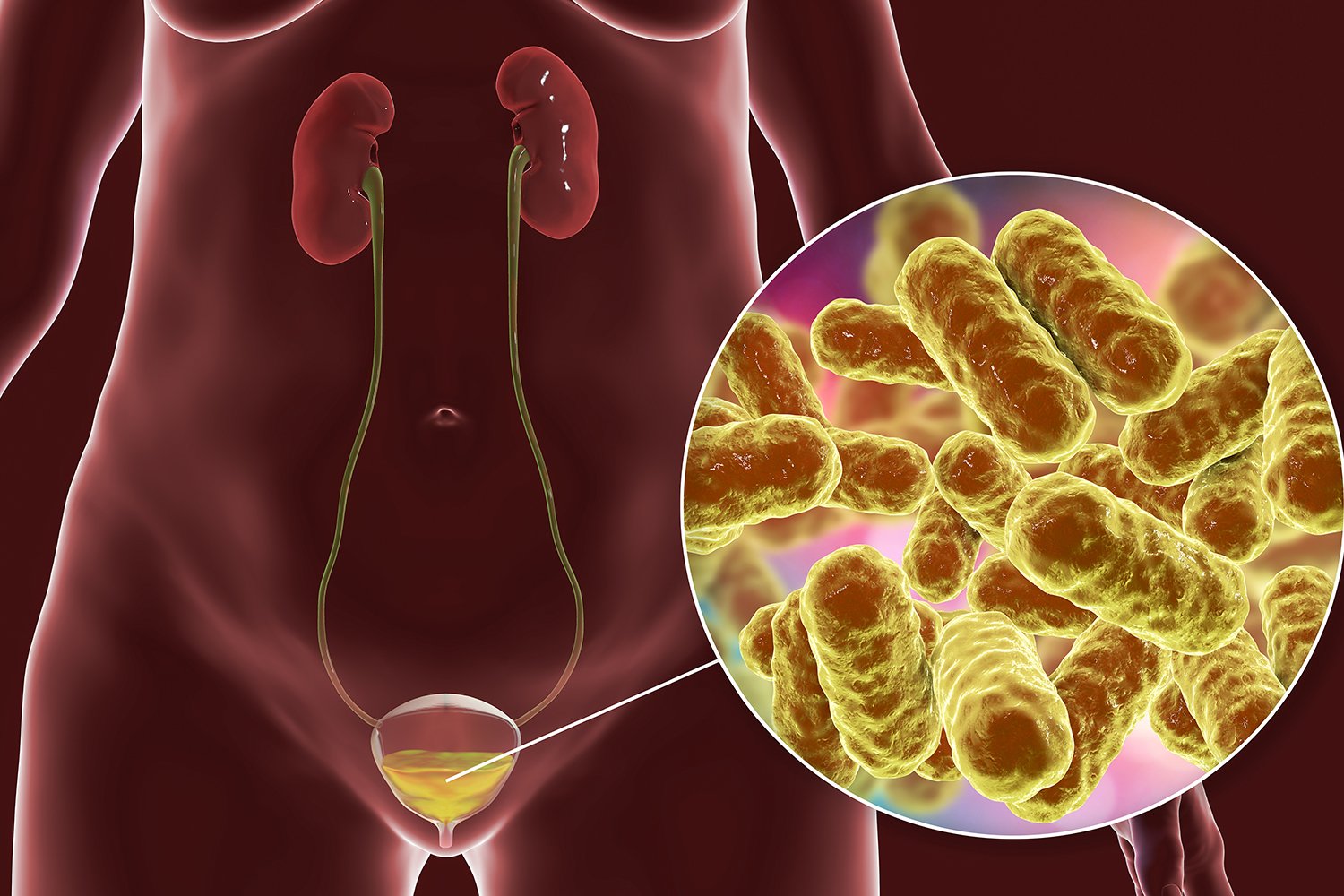
The most common symptoms of a UTI include a strong, persistent urge to urinate, a burning sensation during urination, passing frequent but small amounts of urine, and urine that appears cloudy or has a strong odor. If you experience these symptoms, especially with a fever, it's important to seek medical care.
The single most important factor in preventing kidney stones is staying hydrated by drinking plenty of water throughout the day. Your urine should be light yellow or clear. Additionally, a diet lower in sodium (salt) and animal protein can significantly reduce your risk.
This is a decision to be made with your doctor based on your personal risk factors. Generally, discussions about PSA blood test screening begin around age 50 for men at average risk. If you have a family history of prostate cancer or are in a higher-risk group, this conversation should start earlier, typically around age 40-45.