

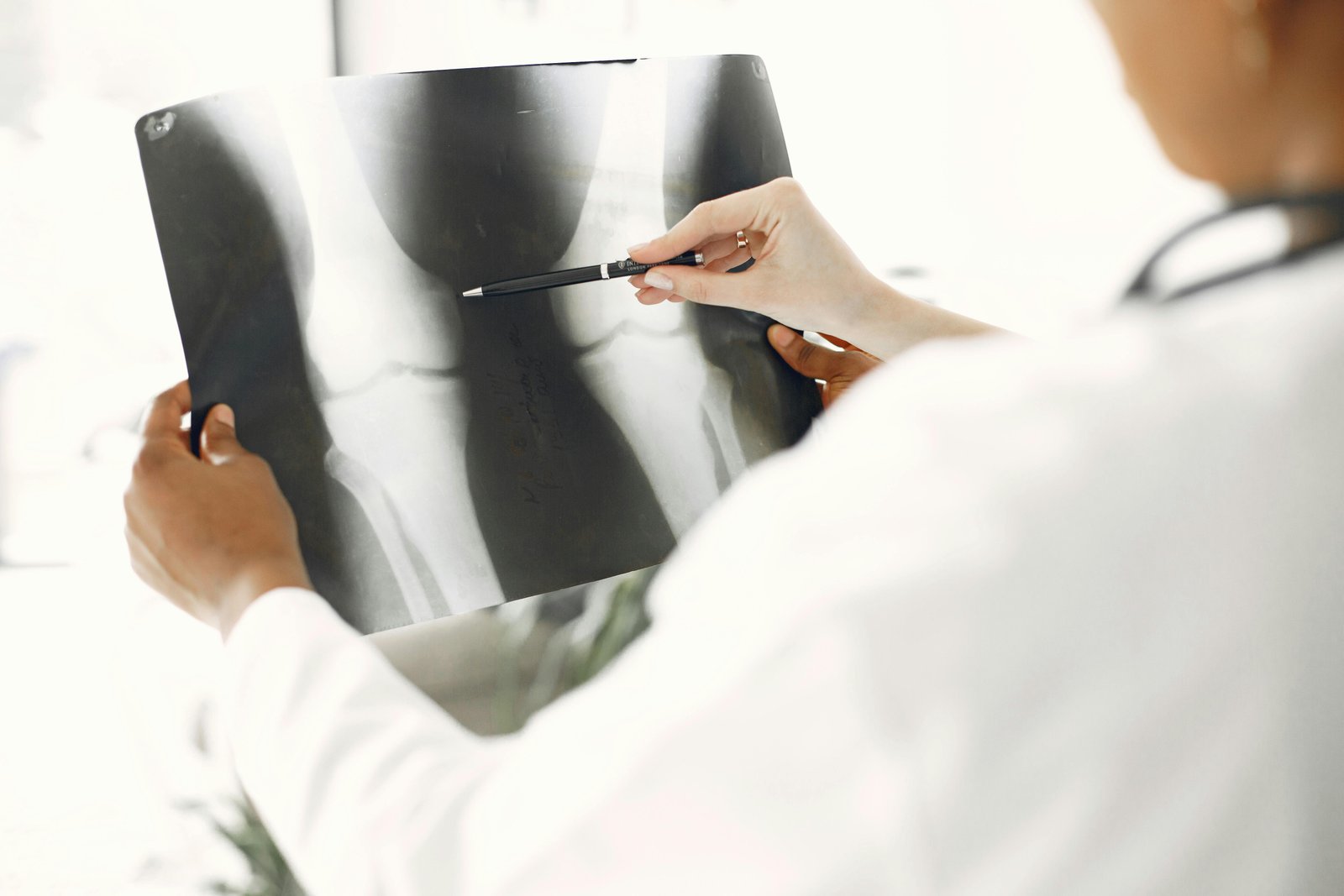
Orthopaedic Patient Care
At Ansh Orthopaedic Center, we believe that strong bones and healthy joints are the foundation of an active life. Our expert orthopaedics team is dedicated to providing specialized, compassionate care for patients of all ages, helping you overcome pain and regain mobility in a supportive, patient-focused environment.
 Patient-Centered Care
- Commitment Wellness
- Family-Centric Care
- Health Coordination
- Expert Pediatricians
- Gentle And Friendly
How To Our Orthopaedic Services Work
Our dedicated team of orthopedic offers comprehensive care for a full spectrum of issues, fractures to managing chronic conditions .
- Book Your Appointment
- Meet Our Pediatric Team
- Personalizing Care Plan
- Follow Ongoing Support
Your Guide To Orthopaedic Care Questions
Our goal is to provide clarity and reassurance every step of the way. In this FAQ section, we’ve compiled answers to the most commonly asked questions about.
While minor aches and pains can often be managed at home, you should schedule a visit if your joint pain is accompanied by swelling, redness, or tenderness around the joint. You should also seek medical advice if the pain is severe, persists for more than a few days, or limits your ability to perform daily activities.
How can I manage minor muscle sprains or strains at home? Rest: Avoid using the injured muscle or joint. Ice: Apply an ice pack wrapped in a towel for 15-20 minutes several times a day to reduce swelling and pain. Compression: Lightly wrap the area with an elastic bandage to minimize swelling. Elevation: Keep the injured limb elevated above the level of your heart. If pain and swelling don't improve within 48-72 hours, it's best to see a doctor.
Arthritis symptoms can vary but often include persistent joint pain, stiffness (especially in the morning), swelling, and a decreased range of motion. You might also notice a grinding sensation during movement. If you experience these symptoms consistently, an evaluation can help determine the cause and best course of treatment.
Maintaining joint health involves several key lifestyle habits. Regular, low-impact exercise (like swimming or cycling) strengthens the muscles that support your joints. Maintaining a healthy weight reduces stress on your knees, hips, and back. Furthermore, eating a balanced diet rich in calcium and Vitamin D is crucial for strong bones.